Technology companies are no longer just service providers; they are the architects of modern life. They dictate how we communicate, consume information, shop, travel, and even think. The most influential firms wield global power, constantly innovating to create new markets while disrupting old ones. Understanding the DNA of these “Tech Titans” is crucial, as their decisions ripple through the economy, culture, and future of humanity. This article delves into the core characteristics, primary battlegrounds, and future trajectories of the companies that define our digital age.
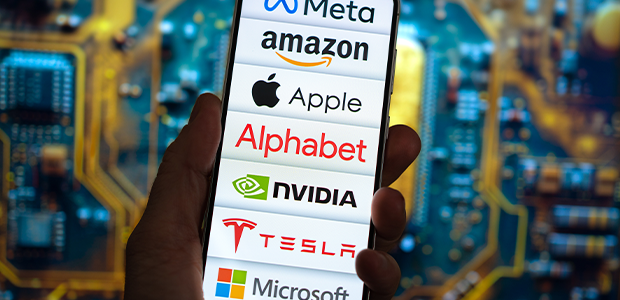
The Core DNA of a Tech Giant
What distinguishes a truly transformative technology company from a successful startup? It boils down to three fundamental, interlocking components: Data, Platform, and Ecosystem.
Data: The New Oil
At the heart of every tech giant is a massive, self-reinforcing loop of data. Companies like Google (Alphabet) and Meta (formerly Facebook) don’t just process information; they generate unique datasets from billions of daily user interactions. This data is the raw material for their most advanced products—from Google’s search algorithms and mapping services to Meta’s personalized social feeds and advertising systems. The value lies not merely in the quantity of the data, but in the insights derived from it, which allow them to predict user behavior and optimize their services with unmatched precision. This creates a competitive moat that is nearly impossible for newcomers to cross.
Platform: The Foundation of Scale
A successful tech company builds a platform—a foundation that other businesses and developers can build upon. Amazon Web Services (AWS), for instance, provides the cloud infrastructure that powers thousands of other companies, including competitors. Similarly, Apple’s iOS and Google’s Android operating systems are the essential gatekeepers to the mobile world. By controlling the platform, these companies control the rules of engagement, monetizing every interaction that occurs on their territory. This platform approach allows for explosive, non-linear growth, where the value of the platform increases exponentially with every new user and developer that joins.
Ecosystem: Locking in the Customer
True dominance is achieved through the creation of a seamless ecosystem. Apple is the master of this strategy. A customer who owns an iPhone is more likely to buy an Apple Watch, an iPad, and a Mac because these devices are designed to work together effortlessly through services like iCloud and AirDrop. Leaving the ecosystem incurs a “switching cost” of both money and convenience. This lock-in strategy ensures long-term customer loyalty and predictable, high-margin revenue streams from hardware, software, and services combined.
The Battlegrounds: Where Tech Titans Compete
The competition among these companies is intense, fought primarily across three strategic territories.
1. Cloud Computing and Enterprise Services
The shift of computing power from local servers to centralized data centers is perhaps the biggest business trend of the last decade. The “Cloud Wars” are dominated by three major players: AWS (Amazon), Microsoft Azure, and Google Cloud (GCP). These services provide everything from basic storage and virtual machines to advanced AI tools. The winner in this battle gains access not only to massive recurring revenue from businesses but also to the industrial data that fuels the next generation of AI development. Securing enterprise clients is a cornerstone of future tech power.
2. Artificial Intelligence and the Generative Revolution
AI is no longer an optional feature; it is the core capability that differentiates modern tech firms. The current battle centers on Generative AI—models capable of creating human-like text, images, and code. Companies like OpenAI (heavily backed by Microsoft), Google, and Meta are racing to develop the most powerful Large Language Models (LLMs). This technology promises to reinvent everything from customer service and education to software development and creative industries, making the control of top-tier AI capabilities the most critical technological arms race today.
3. The Metaverse and Spatial Computing
While still nascent, the race to build the next computing platform—often referred to as the Metaverse or spatial computing—is a priority for several giants. Meta has invested billions in its Reality Labs division, betting that virtual and augmented reality will become the primary way people interact socially and professionally. Apple, with the introduction of its vision for spatial computing, aims to redefine how hardware blends the digital world with the physical. The company that successfully defines and dominates this next layer of digital immersion stands to gain control over the hardware, software, and services of the post-mobile internet era.
The Road Ahead: Challenges and Trajectories
The future of technology companies is fraught with unprecedented challenges, primarily centered on regulation, public trust, and ethical responsibilities.
Navigating Regulatory Headwinds
As these companies have grown in size and influence, they have attracted intense scrutiny from governments worldwide. Concerns over antitrust violations, data privacy, and market monopolization have led to numerous regulatory actions in the US, Europe, and Asia. Breaking up the tech giants, or imposing strict controls on their data collection and platform access, remains a constant threat. Companies must now devote significant resources to navigating this increasingly complex global regulatory environment.
The Quest for Sustainable Innovation
True innovation is resource-intensive and often takes decades to mature. Companies like TSMC (Taiwan Semiconductor Manufacturing Company), while not a consumer-facing giant, hold immense influence by producing the world’s most advanced microchips. Their ability to push the boundaries of semiconductor manufacturing is crucial for every other tech company’s ambitions in AI and cloud computing. The sustained success of the tech industry relies on these deep-tech engineering breakthroughs, which are often overlooked in favor of consumer apps.
Conclusion: More Than Just Business
The world’s leading technology companies are fundamentally reshaping the human experience. Their products are woven into the fabric of society, making them not merely market leaders, but global institutions. Their power derives from an intricate balance of massive data reservoirs, dominant platforms, and tightly controlled ecosystems. As they compete fiercely in the burgeoning fields of AI and spatial computing, they face mounting pressure to balance profits with privacy, innovation with ethics, and growth with regulatory compliance. To understand the future is, in large part, to understand the trajectory of these technological titans.