
In the grand arc of human history, few forces have reshaped our existence as profoundly as the rapid advancement of technology. As we navigate through 2026, we are no longer merely using tools; we are living within a sophisticated digital ecosystem that enhances almost every aspect of the human experience. From the way we preserve our health to the methods we use to protect our environment, the benefits of technology have transitioned from being “conveniences” to becoming essential pillars of a thriving society.
While it is easy to focus on the hardware—the sleek devices and powerful processors—the true value of technology lies in its ability to solve complex problems and democratize opportunities. This article explores the multi-dimensional benefits of modern technology, highlighting how it fosters global connectivity, medical breakthroughs, and sustainable progress.
benefits-of-getting-habitual-to-upi-stress-relieving-features
Democratizing Knowledge and Global Connectivity
Perhaps the most significant benefit of the digital age is the absolute destruction of geographical and social barriers to information. In the past, high-level knowledge was locked behind the gates of expensive universities or physical libraries. Today, a student in a remote village has access to the same educational resources as a researcher in a major metropolis.
This democratization of knowledge has fueled a global “skills revolution.” Platforms powered by artificial intelligence can now provide personalized tutoring, adapting to a learner’s pace and style in real-time. Furthermore, technology has transformed the concept of the “workplace.” The rise of reliable, high-speed connectivity has decoupled employment from geography, allowing talent to flow where it is most needed without requiring the upheaval of relocation. This has not only improved the work-life balance for millions but has also allowed smaller, regional economies to participate in the global marketplace.
The Revolution in Healthcare and Longevity
Technology’s most noble application is found in the field of medicine. In 2026, we are witnessing a shift from “reactive” healthcare—treating diseases after they appear—to “proactive” and “personalized” medicine.
1. Precision Diagnostics and AI Intervention
Artificial intelligence now assists radiologists and oncologists by scanning medical images with a level of precision that exceeds the human eye, catching anomalies in their earliest, most treatable stages. Genomic sequencing, once a multi-billion dollar endeavor, is now accessible enough to allow doctors to tailor treatments to a patient’s specific genetic makeup. This “precision medicine” ensures that therapies are more effective and have fewer side effects.
2. Remote Monitoring and Telehealth
For those living with chronic conditions or in underserved areas, wearable technology has become a literal lifesaver. Devices that continuously monitor heart rhythm, glucose levels, and oxygen saturation can transmit data directly to healthcare providers. If a critical threshold is crossed, medical intervention can be triggered automatically, often before the patient even realizes there is a crisis.
Driving Environmental Sustainability and Efficiency
As we face the global challenge of climate change, technology is our most potent weapon for restoration. The “Green Tech” movement is no longer a niche interest; it is a primary driver of industrial innovation.
Advanced smart grids now use machine learning to balance energy supply and demand with surgical precision, integrating renewable sources like wind and solar more effectively than ever before. In agriculture, “Precision Farming” technology uses satellite imagery and IoT sensors to determine exactly how much water and fertilizer each square meter of soil needs. This reduces waste, prevents chemical runoff into water systems, and increases food security for a growing global population. Technology is proving that economic growth and environmental stewardship do not have to be mutually exclusive.
Enhancing Personal Productivity and Safety
On a more granular level, technology has streamlined the “administrative burden” of daily life. By automating repetitive tasks—from scheduling and bill payments to home energy management—technology frees up our most valuable resource: time.
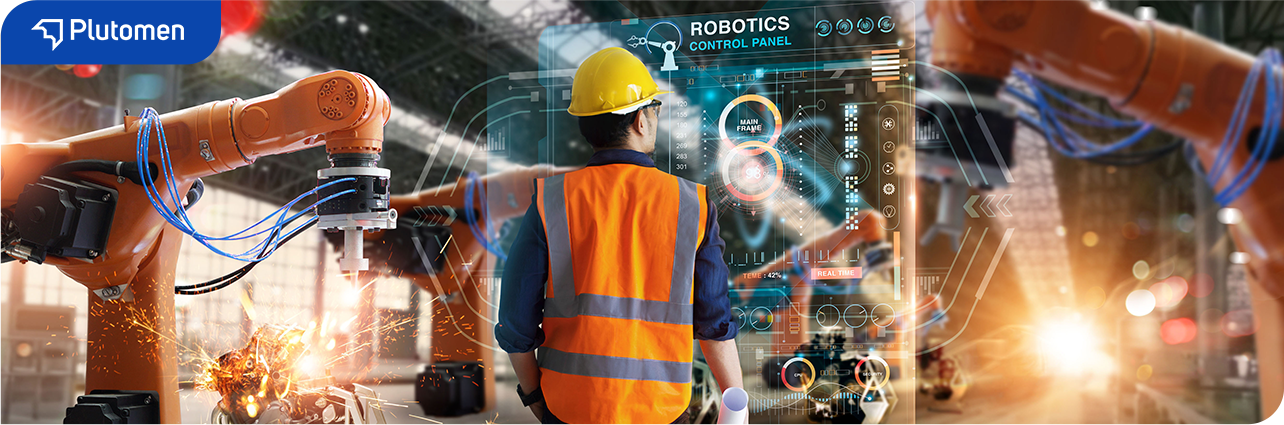
Safety has also seen a massive upgrade. Modern automotive technology, such as Advanced Driver Assistance Systems (ADAS), has significantly reduced accidents caused by human error. In the workplace, particularly in high-risk industries like mining or construction, “hard job technology” and robotics handle the most dangerous tasks, keeping human workers out of harm’s way while increasing operational efficiency.
The Social Impact: Inclusivity and Accessibility
Finally, one of the most heartening benefits of technology is its role in fostering inclusivity. For individuals with disabilities, technology acts as an equalizer. Voice-to-text systems, eye-tracking interfaces, and AI-powered haptic feedback devices allow people with visual, auditory, or motor impairments to navigate the world and the web with independence.
Technology provides a voice to the voiceless and a platform for marginalized communities to organize and share their stories. It facilitates a level of global empathy and cultural exchange that was previously impossible, reminding us that despite our different backgrounds, we are part of a single, interconnected human family.
Conclusion
The benefits of technology are not found in the machines themselves, but in the human potential they unlock. By expanding our access to knowledge, safeguarding our health, protecting our planet, and ensuring the safety of our labor, technology acts as a force multiplier for human intent.
As we continue to innovate, the challenge is to ensure that these benefits are distributed equitably across all layers of society. When used with ethics and intention, technology is the ultimate tool for progress—a bridge to a future where we are more connected, more resilient, and more capable than ever before. The digital dividend is clear: a world that is not just more efficient, but more humane and full of possibility.